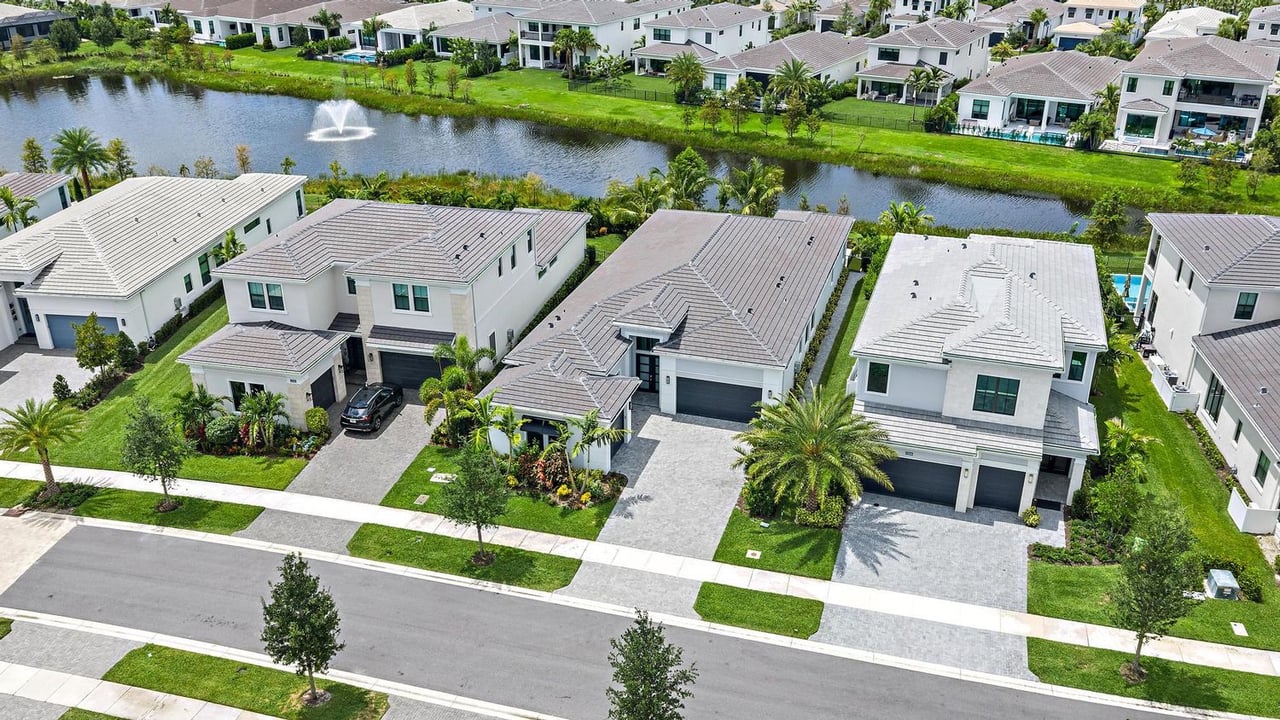
You might have heard the buzz around "Project Tango" or seen news about proposed data centers in areas like Loxahatchee or near Wellington. If you live in Palm Beach County, you aren't imagining things: there is a growing trend of developers looking to build massive, AI-capable data centers in places that are increasingly close to residential communities.
As our digital lives expand—driven by everything from streaming services to the rapid integration of artificial intelligence—the physical infrastructure to support this technology needs to live somewhere. For Palm Beach County, a highly desirable and increasingly crowded region, this brings up complex questions about development, quality of life, and the future of our local neighborhoods.
Why Are They Coming Closer?
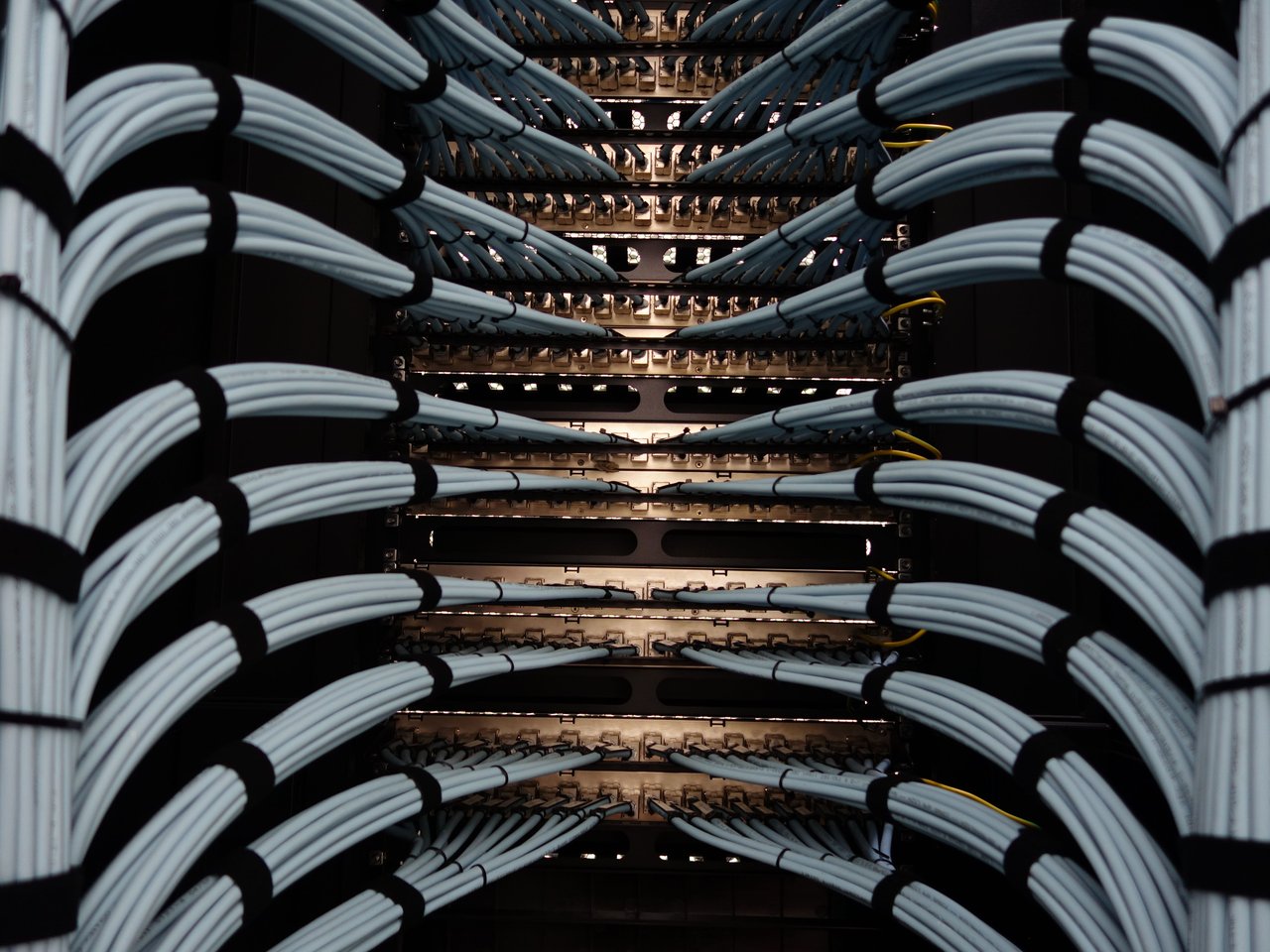
Data centers are the "brains" of the internet. They house the servers that store, process, and distribute the massive amounts of data we use every day.
Traditionally, these facilities were tucked away in industrial parks. However, as demand for high-speed, low-latency connectivity grows, companies are looking for "edge" locations—sites closer to where the data is actually being used by consumers and businesses.
Combined with Florida’s strategic position as a hub for international data traffic and Palm Beach County's available land, developers have identified our area as prime real estate.
What Does This Mean for You?
For residents, the prospect of having a massive data center as a neighbor is a contentious issue, balancing economic potential against community impact. Here is what this trend means for you:
1. Concerns Over Quality of Life
The primary objections from local communities often center on tangible, day-to-day impacts:
- Noise: Data centers rely on massive cooling systems and backup generators that can run continuously, potentially creating significant noise pollution for nearby homes.
- Visual Impact: These are not small office buildings; they are often massive, windowless, industrial-looking structures that can dominate a landscape.
- Infrastructure Strain: Large-scale facilities require substantial power and water resources, raising questions about impacts on local utility capacity.
2. Local Policy and "Pushback"
The community response in Palm Beach County has been vocal and organized. Projects like the proposed 200-acre "Project Tango" have faced intense scrutiny and ultimately rejection by local authorities due to concerns about their proximity to dense residential development.
In response to this pressure, the county is actively re-evaluating how it handles these requests. Most notably, Palm Beach County has been advancing plans for a temporary moratorium—a pause—on large-scale data center approvals. This period is intended to give officials time to develop better regulations, such as stricter landscape buffering requirements, to ensure that if these facilities are built, they do not negatively impact residential life.
3. The Balance: Growth vs. Compatibility
Proponents argue that data centers bring high-tech jobs, expand the tax base, and are essential infrastructure for the modern economy. The challenge for local government is finding a way to balance this essential growth with the legitimate needs of residents to preserve the character and peace of their neighborhoods.
Staying Informed
The situation is dynamic, with policies changing as the county grapples with this new reality. If you are concerned about potential developments in your area:
- Attend County Commission Meetings: These are the primary venues where zoning changes and project proposals are debated.
- Monitor Local Zoning Updates: Keep an eye on announcements from the Palm Beach County Planning and Zoning department regarding data center moratoriums or new development codes.
- Get Involved: Community groups and local homeowner associations often take the lead in organizing responses to proposed projects.