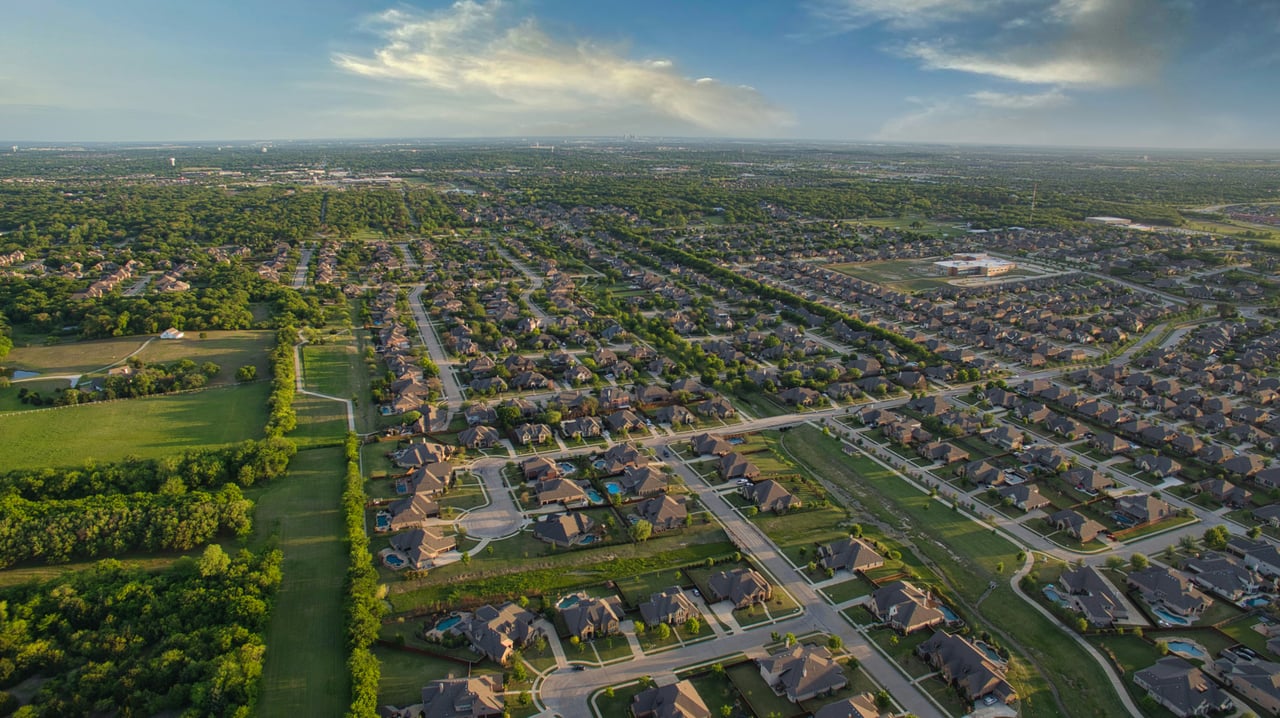
The housing market is cyclical. Headlines during downturns are dramatic, homeowners worry, and prospective buyers stall. Yet history shows a consistent pattern: after declines come recoveries. While past performance doesn’t guarantee future results, understanding historical cycles, causes, and lessons can help homeowners, buyers, and policymakers respond more calmly and strategically.
Why housing falls — and why it rebounds
- Demand-supply dynamics: Prices rise when demand outpaces supply and fall when demand weakens or supply grows. Shocks (recessions, lending crunches, pandemics) can suddenly depress demand, but underlying housing needs—people forming households, families growing, urbanization—remain.
- Financing cycles: Lax credit fuels booms; tighter credit and foreclosures create busts. As lenders reset standards and regulators respond, credit slowly returns in healthier forms, restoring buying power.
- Sentiment and expectations: Fear accelerates downturns; confidence restores activity. Once buyers perceive value and stability, transactions increase and prices recover.
- Policy and institutional response: Governments and central banks often intervene (rate cuts, mortgage relief, buyer incentives) to stabilize markets. These measures frequently shorten or soften downturns and support recoveries.
Historical snapshots
- The Great Depression (1930s): Housing construction plunged, but the New Deal introduced public works and mortgage reforms (e.g., FHA), laying groundwork for long-term recovery and modern mortgage finance.
- Post-WWII boom: After wartime disruptions, returning veterans, government programs, and rising incomes drove one of the largest housing expansions in U.S. history.
- 1970s–1980s cycles: Inflation and interest-rate volatility caused regional slumps (e.g., Texas oil bust), but national housing values recovered as local economies rebounded.
- Early 1990s: Overbuilding in some markets led to price drops; recovery followed as employment and household formation picked up.
- 2007–2009 Global Financial Crisis: A severe housing bust driven by subprime lending and securitization led to large price declines and foreclosures. Recovery began when inventory cleared, credit restructured, and policy (monetary easing, bank bailouts, mortgage modification programs) stabilized the system. Most markets regained and exceeded pre-crisis peaks within years.
- COVID-19 downturn and rebound (2020–2021): A sharp, short-lived economic shock was followed by fast housing demand driven by low rates, remote work, and changing preferences—illustrating how new forces can accelerate recovery.
Why “always” has caveats
- Timing varies widely: Recoveries can be rapid (months) or long (years). Local markets can lag or lead national trends.
- Not all homeowners recover equally: Those who lose jobs or face foreclosure may be permanently displaced; equity losses can change financial trajectories.
- Structural change matters: Long-term shifts—demographics, migration patterns, housing supply policy, interest-rate regimes—shape future market behavior and can alter historical patterns.
- Affordability concerns: Even as prices recover, affordability may worsen if wages and supply don’t keep up, producing social and policy challenges.
Practical lessons for stakeholders
- For homeowners: Focus on long-term planning. If you can afford to hold your home through cycles, short-term downturns often reverse. Maintain emergency savings and avoid overleveraging.
- For buyers: Don’t try to time the absolute bottom. Look for affordability, job stability, and financing terms that fit your horizon. In many markets, buying with a multiyear outlook reduces the risk of short-term losses.
- For investors: Diversify geographically and across asset types. Understand local fundamentals (jobs, migration, supply constraints) rather than relying solely on macro narratives.
- For policymakers: Encourage sustainable lending, balanced supply-side policies, and safety nets that prevent short-term shocks from causing long-term displacement.
History doesn’t promise uniform speed or fairness in recovery, but it repeatedly demonstrates the housing market’s resilience. Demand fundamentals, policy responses, and market correction mechanisms have consistently produced rebounds after downturns. That pattern offers reassurance: while crashes are painful and disruptive, the market’s long-term trajectory has favored recovery—especially for those who plan prudently and maintain a long-term perspective.